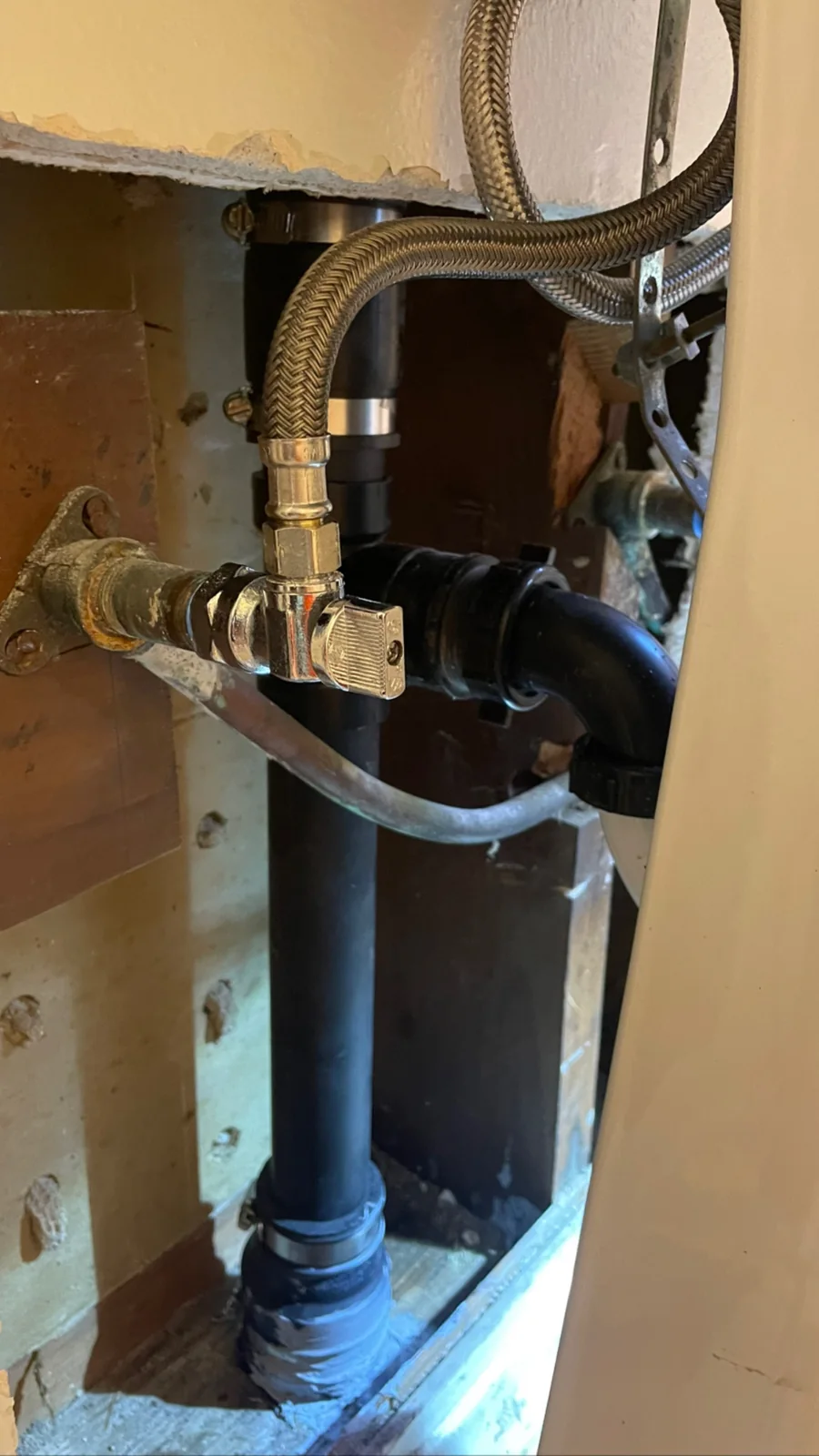
Walk the unit room by room
Vacancy creates access, but it does not make every wall, fixture or system ready for work. Use one location ID for each repair and show the full room around it.
Sort repairs from unresolved symptoms
Sort each item into investigation, approved repair, owner selection, cleaning or excluded work. Give each room or repair location its own line with the observed condition, approved work, retained finishes, protection and access requirement. Name who may approve additional work and which owner selections are pending. This lets a manager compare bids and administer the work without relying on an undefined patch, fix or make-ready allowance.
- Whole-room photo
- Detail photo
- Source status
- Requested finish boundary
- Owner selection needed
Lock owner selections before installation
Recurring stains, movement, damaged systems or suspect materials may require separate review. When controlled access reveals a different assembly, additional deterioration or unresolved source condition, pause at the agreed checkpoint. Send a privacy-safe finding to the authorized manager and identify the responsible trade or reviewer. The turnover calendar should allow that decision before board, cabinet, trim or paint conceals the area.
Sequence trades around prerequisites
Update the same list as items change instead of creating disconnected text threads. Rental closeout should follow the same room list used for approval. Record completed trade and finish boundaries, approved changes, punch disposition, care or reopening information, exclusions and remaining work. Provide photographs only where appropriate, and remove resident names, mail, access codes, unit identifiers and unrelated belongings from broadly shared records.
Track the current location list
Prioritize habitability, source conditions and trade prerequisites before cosmetic work. A useful rental option states why its repair boundary fits the verified condition and what would trigger a revision. It assigns fixture or finish purchasing, debris handling, adjacent restoration, resident preparation and return-to-use direction. Actual assemblies and product requirements control the work; a generic turnover checklist cannot establish those field details.
Define the usable-unit handoff
Provide the desired handoff date and the complete room list with unknowns marked. For a vague, water-related or multi-trade rental list, AWC may recommend the $250 Site Evaluation + Written Bid Package. The fee is credited if the resulting project is approved within 30 days. Send privacy-safe room views, source-work status, access constraints and the owner or manager authorized to approve scope and cost.
A good turnover scope shows what is ready, what is blocked and what completed means.
Continue planning
Multi-Trade Rental Repair Coordination
Sequence plumbing, electrical, carpentry, drywall, paint and connected restoration with clear prerequisites and handoffs.
Read the guideRental Repair Closeout and Turnover Handoff
Close rental repairs with a location list, completed boundaries, changes, finish review, punch and remaining work.
Read the guide